



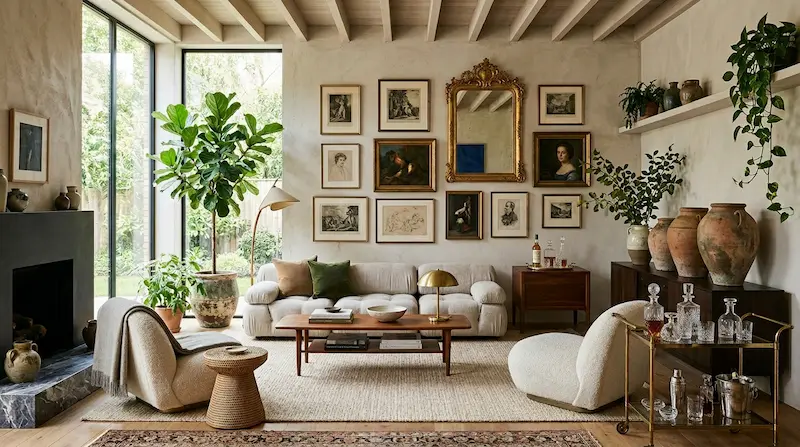
What does “vintage-inspired” actually mean right now?
Not a room full of antiques. Not a curated-to-within-an-inch-of-its-life set piece. The most compelling interiors today sit in a more interesting place: contemporary in structure, softened by age. Modern furniture that breathes more easily because something old has been allowed into the room.
A weathered farmhouse table. An oversized ceramic vessel from a market in Puglia. A gilt mirror that clearly has opinions. These objects are not styling props — they carry presence. And presence, it turns out, is what many interiors have been missing.
For years, the aesthetic poles pulled hard in opposite directions. Ultra-minimalism so pristine the rooms felt faintly hostile. Maximalism so committed it became a full-time occupation. Somewhere in between, quietly, a third way emerged. Rooms built on restraint and texture rather than perfection or spectacle. Rooms that feel gathered over time rather than delivered on a Tuesday.
Why patina is the new luxury
The shift has been subtle but unmistakable. Worn wood edges. Faded linen. Aged brass that no factory finish can convincingly replicate. Sun-softened fabric. These surfaces reveal time rather than conceal it — and increasingly, that is exactly what people want.
Patina is proof of living. Mass production can approximate the look, but it cannot fake the feeling. A nineteenth-century wooden stool carries something a convincingly distressed replica simply does not. This is why genuine vintage objects — even imperfect ones, especially imperfect ones — have become a form of quiet luxury.
The rise of what some call “soft grandmacore” speaks to this. A stack of old books beside a contemporary chair. Handmade pottery on minimalist shelving. Linen curtains that move in an open window. These details are not nostalgic — they are emotional. They suggest a home that has been lived in rather than assembled for effect.
The most successful rooms in this mode remain edited. Restraint is the thing. One oversized antique olive jar has greater impact than a shelf crowded with decorative ambition. A rustic dining table surrounded by contemporary chairs feels fresher than a fully committed farmhouse theme. This is where the aesthetic becomes genuinely practical for modern life: you do not need to go all in. You need to go all in on one thing.
How to mix old and new without it looking like a mistake
The tension between old and new is what makes a room interesting. New furniture provides clean lines and simplicity; older objects introduce irregularity and soul. Together, they create balance. The trick is contrast, not coordination.
A contemporary kitchen gains warmth from antique copper cookware hanging casually against plaster walls — not matching, but belonging. A minimalist living room acquires depth from a single weathered bench or a faded tapestry that clearly has a past. A sleek modern bedroom softens around a vintage lamp whose patina no factory will ever convincingly reproduce.
What to avoid: theming. A room that reads as “Mediterranean” or “French farmhouse” or “rustic Italian” has been curated to a point where it no longer feels lived in — it feels like a brief. The goal is not to recreate a place. It is to evoke a feeling. Those are very different instructions.
The travel influence no one talks about
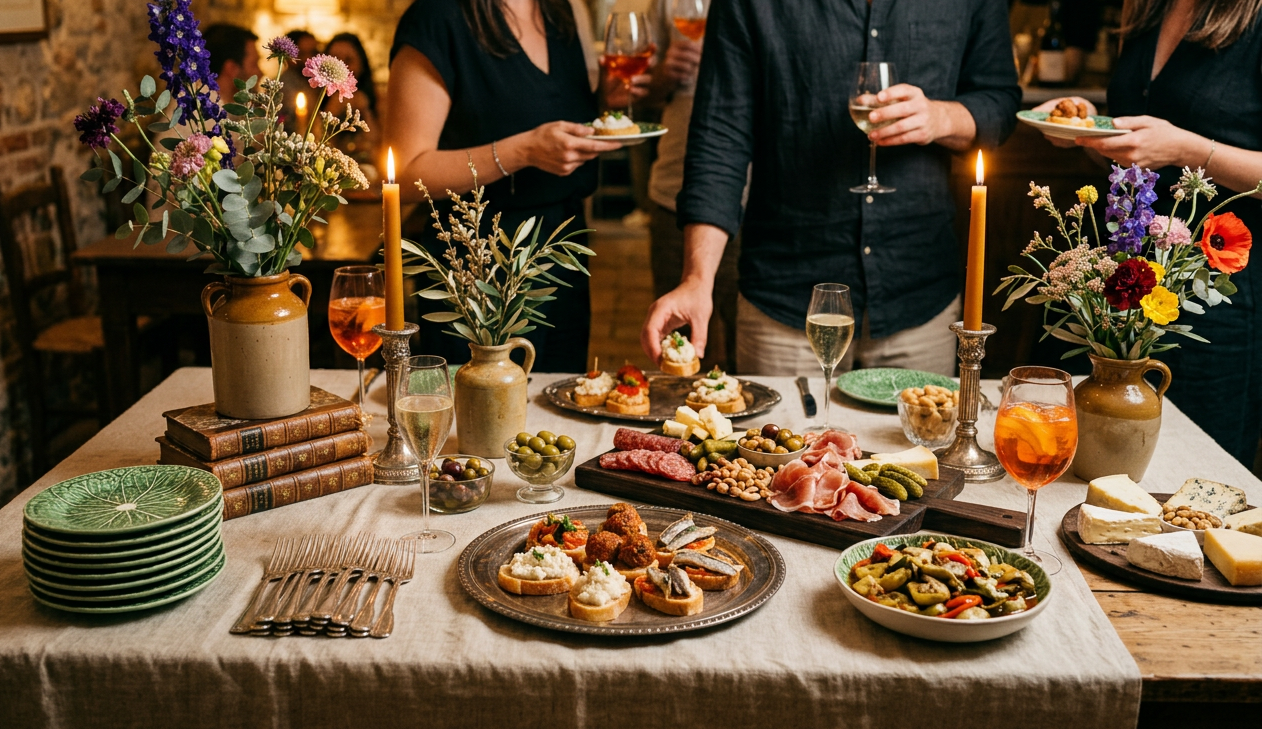
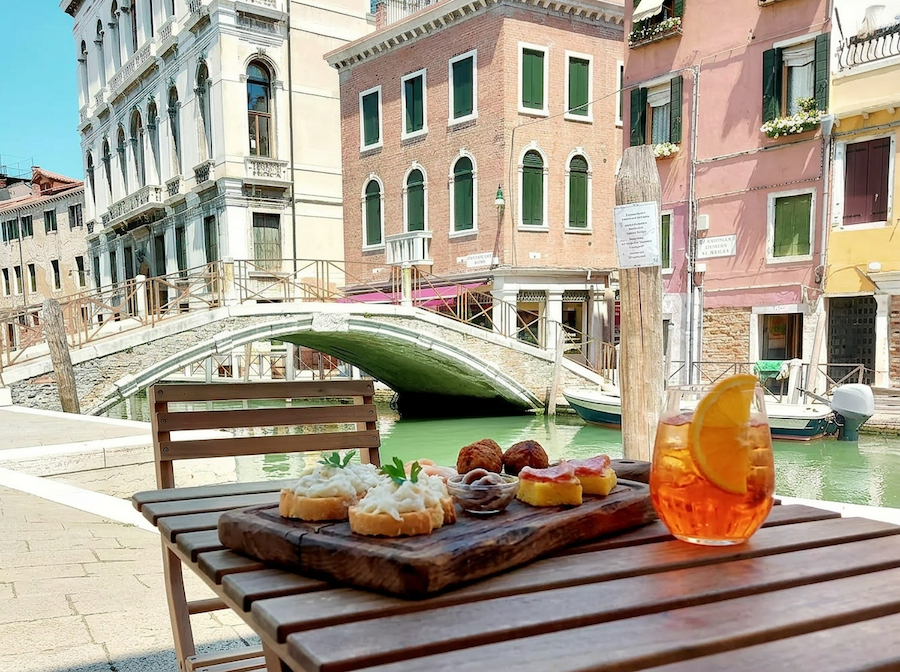
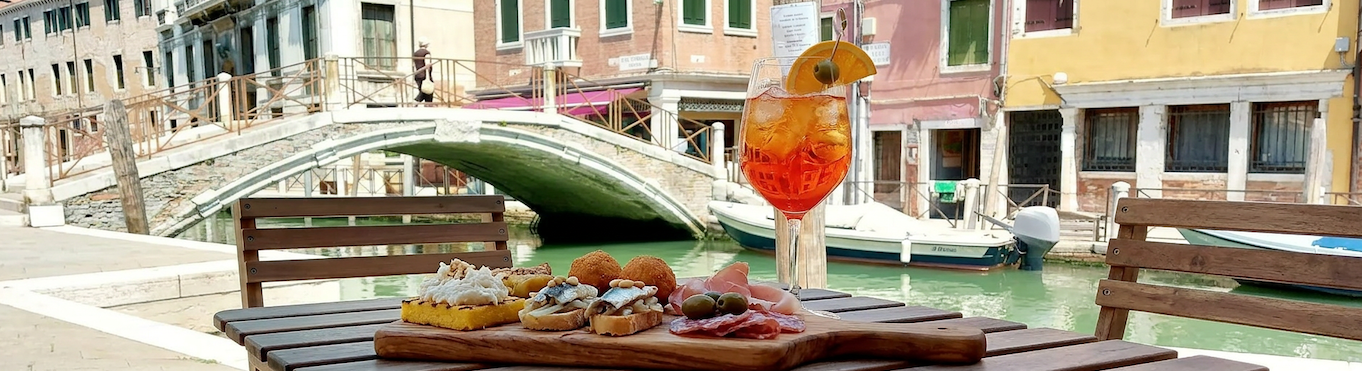
The most compelling interiors today feel inspired by places rather than Pinterest boards. The relaxed restraint of a Tuscan farmhouse where stone, wood, linen, and ceramics have coexisted for centuries without needing to discuss it. The quiet elegance of a Paris apartment where a beautiful old chair and a contemporary sofa have arrived at a perfectly comfortable arrangement. The earthy simplicity of Mediterranean spaces where nothing is trying too hard because nothing needs to.
Travel changes how you see a room. A ceramic vessel purchased from a potter outside Oaxaca arrives home carrying the memory of where it came from. An old mirror found in a Lisbon flea market brings something of the city into a London flat. These objects function as more than decoration — they are evidence of a life that moves through the world with some curiosity.
People increasingly want homes that evoke feeling rather than status. Not rooms designed to photograph well, but rooms that encourage lingering. Opening another bottle of wine. Inviting people over without worrying whether everything looks untouched.
Why this aesthetic ages well
Unlike trend-driven interiors, rooms built around old materials do not date because they already have. Reclaimed wood, stone, linen, antique ceramics, aged metalwork — these are materials that become more beautiful through use. They are also inherently sustainable: a nineteenth-century stool or a mid-century lamp introduces character while reducing dependence on disposable décor cycles.
Younger buyers have understood this intuitively. Not out of obligation to the past — out of preference for objects that carry personality into otherwise contemporary spaces. The uneven glaze. The worn table edge. The sun-faded fabric. These are not flaws. They are the point.
The best vintage-inspired rooms feel unfinished in the best possible way. Open to discovery. Open to the next thing brought back from the next trip. Less like a showroom. More like a life.
FAQs
What makes a room feel vintage-inspired without looking dated?
The key is selective contrast rather than wholesale commitment. One or two genuinely old objects — a weathered ceramic, an antique lamp, a piece of furniture with a past — carry far more atmosphere than a room full of antiques trying to recreate an era. Keep the structure contemporary, let a few specific things carry the age.
How do I mix antique and modern furniture successfully?
Trust contrast over coordination. Old and new do not need to match — they need to coexist with intention. A rustic dining table surrounded by contemporary chairs feels fresher than a matched set. The tension is what gives the room depth. What to avoid: theming everything around a single period or place.
Where do I find genuine vintage pieces without overpaying?
Estate sales, regional auction houses, specialist antique fairs, and online platforms such as 1stDibs, Vinterior, and Chairish are consistently reliable. Flea markets in France, Portugal, and Italy still yield extraordinary finds for those willing to look carefully and carry things home. The patience required is part of the pleasure.
Is vintage-inspired decorating more sustainable?
Significantly. Choosing genuine antique or vintage pieces reduces dependence on newly manufactured furniture, extends the life of objects that already exist, and produces rooms that do not need to be replaced when the next trend arrives. Patina does not go out of style — it is proof of good judgment from the beginning.
What is the single most effective vintage object to introduce into a modern home?
Ceramics. A generous antique vessel — a large olive jar, a glazed urn, an oversized handmade bowl — introduces scale, texture, and warmth to a contemporary room without requiring any commitment to period or style. It simply belongs. Start there and see what the room asks for next.







.webp)

.webp)


%20(2).webp)
.webp)


.png)