



Start With the Philosophy, Not the Shopping List
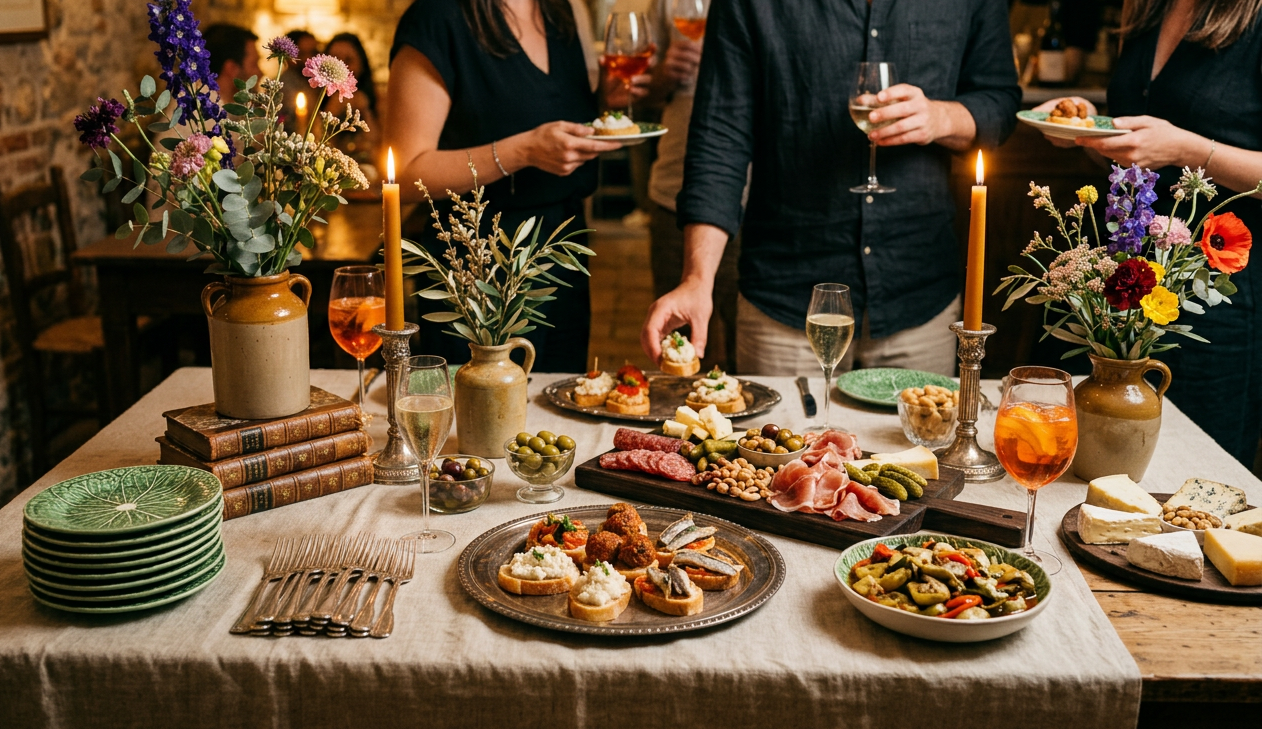
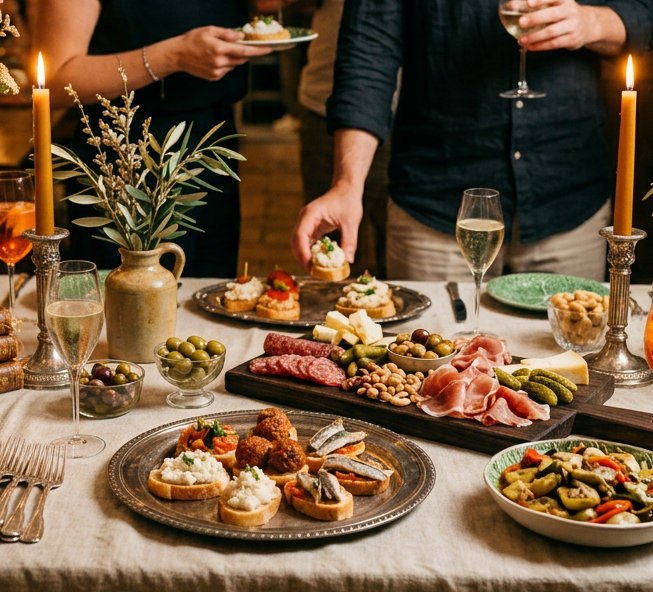
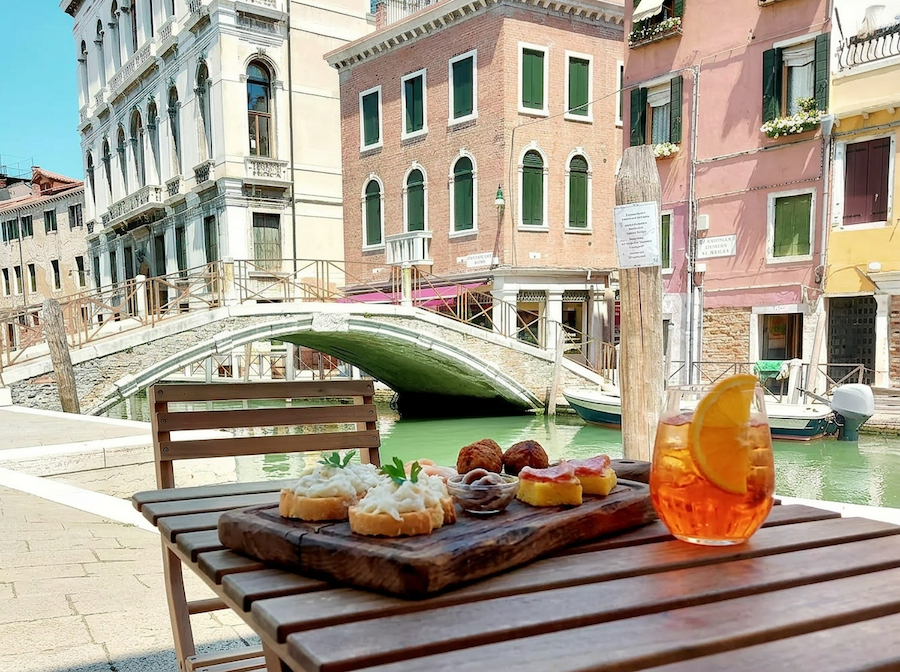
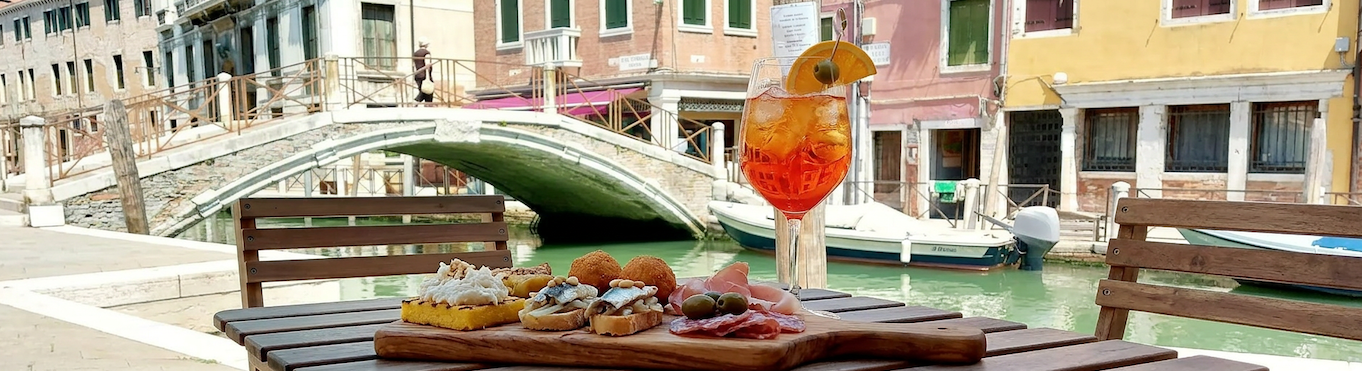
Cicchetti — Venice's answer to tapas, though a Venetian would wince at that comparison — are built on the idea that a small thing, done beautifully, is enough. A single slice of prosciutto draped over good bread. A smear of baccalà mantecato on a crostino. A brined olive that tastes like it fell from a tree in the Veneto this morning. The philosophy is abundance through restraint. You're not making dinner. You're curating a moment.
Plan for five to eight cicchetti options, arranged loosely across a board or a series of small plates. Nothing needs to be hot. Nothing needs to be fussy. Everything needs to be good.
The Cicchetti Lineup
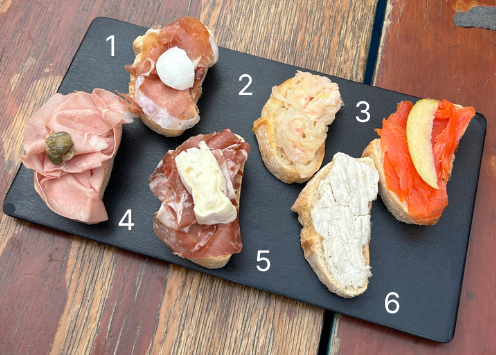
Prosciutto di Parma. Splurge on the real thing — aged at least 24 months, paper-thin, almost translucent at the edges. Drape it in loose folds rather than folding it flat; it should look effortless, not engineered. Pair it with a smear of unsalted butter on a small piece of white bread, or let it stand alone on a wooden board.
Mortadella with pistachio. Mortadella deserves its rehabilitation. Buy it from an Italian deli, not a supermarket counter, and ask for it sliced thick enough to have presence. Fold the slices into loose cones and tuck a few shelled pistachios alongside each one. The combination is uncanny — fatty, sweet, faintly grassy.
Baccalà mantecato. This is the soul of Venetian cicchetti and the one worth making from scratch, or nearly. Rehydrated salt cod whipped with olive oil, a whisper of garlic, white pepper, and patience until it's pale and mousse-like. Spread it thick on small rounds of grilled polenta or plain crostini. It sounds intimidating; it takes about twenty minutes of actual effort. The rest is just soaking time.
Sarde in saor. Sweet-and-sour sardines — marinated with onions, white wine vinegar, raisins, and pine nuts — are one of Venice's oldest dishes, dating back to the fishermen who needed to preserve their catch. Make them a day ahead. They improve overnight, which is to say: they are the perfect host food.
Gorgonzola and walnut crostini. Not strictly cicchetti, but entirely at home here. A thin layer of creamy gorgonzola dolce, a walnut half pressed lightly on top, and a very small drizzle of acacia honey. Three ingredients. Remarkable.
Roasted peppers with anchovies. Jarred roasted peppers — good ones, packed in oil — draped with a single anchovy fillet and a drop of good olive oil. Done. The kind of thing that looks like you've thought about it deeply and took thirty seconds.
The Panini, Reimagined Bite-Size
In Part One we talked about how the bacaro doesn't ask you to sit down and commit. The food follows that same logic — and a panino cut into four pieces is exactly the kind of thing people eat standing up, mid-conversation, without breaking eye contact.
Use a proper ciabatta or a small focaccia roll, split and pressed if you have a pan heavy enough to do the job. Three fillings worth offering:
Mortadella, fior di latte, and pistachio pesto. Rich, creamy, slightly sweet — this is the one people come back to twice.
Prosciutto, burrata, and arugula. Classic for a reason. The bitterness of the arugula cuts through everything. Don't skimp on the burrata — it should be fresh, and it should spill slightly when cut.
Tuna, caper, and olive tapenade. The briny one. Essential for balance. Italians take their tinned tuna extraordinarily seriously, and this is a moment to understand why. Look for Sicilian tuna packed in olive oil.
Cut everything into pieces no larger than three bites and arrange on a wooden board with parchment beneath. Toothpicks are practical. Tiny sprigs of rosemary as picks are impractical and entirely worth it.
Bread, Olive Oil, and Balsamic — The Holy Trio
A Pugliese sourdough or a proper ciabatta from a bakery you trust — not a supermarket bake-off — set on a board with a small serrated knife. Pour your best extra-virgin olive oil into a wide, shallow bowl. Not a dipping sauce situation with herbs and spice thrown in. Just the oil, green-gold and grassy, Sicilian if you can find it. Beside it, a small pour of aged balsamic vinegar — genuine Aceto Balsamico Tradizionale from Modena, if your budget stretches. It should be syrupy, almost sweet, entirely unlike the balsamic reduction on supermarket shelves. A few drops go an enormous distance.
Olives: Not an Afterthought
Three varieties minimum. Castelvetrano — buttery, mild, almost nutty, the ones that convert olive skeptics. Gaeta — smaller, darker, oil-cured, with depth. And a Sicilian green variety marinated with fennel seed and orange peel, which you can do yourself in ten minutes with a jar of plain olives and pantry staples. Put them in small ceramic bowls. Provide a little dish for the pits. This is not optional.
The Drinks: Aperol Spritz, Italian Wine, and a Cold Peroni
The Aperol Spritz is not negotiable at a Venetian gathering. It was invented in the Veneto. It belongs here. The ratio matters: three parts Prosecco, two parts Aperol, one part sparkling water, over ice, in a large wine glass. A slice of orange. Nothing more.
For wine, offer a small, considered selection rather than a bottle of everything. A Soave Classico — crisp, mineral, from the Garganega grape — works beautifully with the seafood cicchetti. A Valpolicella Ripasso has the weight to stand up to the cured meats and the gorgonzola without overwhelming the table. If someone wants something sparkling beyond the spritz, a bottle of Franciacorta — Italy's answer to Champagne, and a worthy one — is the kind of detail people remember.
And yes: Peroni. Ice cold, in the bottle. There is a specific pleasure in standing at a beautiful table of Italian food with a cold beer, and it should not be denied to anyone.
End With Gelato — Properly
Dessert at a bacaro is rarely more than a small sweet thing. Follow that logic. Source gelato from an artisan gelateria if one exists near you — two or three flavors, not a parade. Pistachio is mandatory. Fior di latte if you want something clean and simple. Dark chocolate if anyone needs convincing that this is a real dessert. Serve it in small, chilled glass cups with a tiny spoon, a few amaretti cookies on the side, and perhaps a small glass of Limoncello for those who want it.
The evening ends gently, the way good evenings always do — not with a dramatic close but with people still holding their glasses, still talking, not quite ready to leave. Which is, of course, the entire point.
What is cicchetti and how is it different from tapas?
Cicchetti are small bites served in Venetian bacari — wine bars where locals gather to drink and snack standing up. While they share a philosophical similarity with Spanish tapas, cicchetti tend to feature cured meats, seafood spreads, and crostini specific to the Veneto region. A Venetian would consider the comparison approximate at best.
Can I make baccalà mantecato in advance?
Yes — and you should. Baccalà mantecato, the whipped salt cod spread central to Venetian cicchetti, holds well in the refrigerator for up to two days. Allow it to come to room temperature before serving, and give it a gentle stir. The flavor actually deepens slightly after resting.
What is the correct Aperol Spritz ratio?
The classic Venetian ratio is three parts Prosecco, two parts Aperol, and one part sparkling water, served over ice in a large wine glass with a slice of fresh orange. Resist the urge to add more Aperol — balance is the point, not sweetness.
What Italian wines pair best with cicchetti?
Soave Classico pairs beautifully with seafood-based cicchetti like baccalà mantecato, while a Valpolicella Ripasso holds its own against cured meats and aged cheeses. For something sparkling, Franciacorta — made in the traditional method from Lombardy — is an elegant choice that guests will appreciate.
Where can I source good gelato if I don't have an artisan gelateria nearby?
Look for gelato brands that list milk, cream, and real ingredients first — no vegetable fat, no long lists of stabilizers. Talenti is widely available in the US and delivers a credible result. Pistachio, fior di latte, and dark chocolate are the three flavors most at home on a Venetian-inspired table.
How much food should I prepare for a cicchetti gathering?
For a two-hour standing gathering of six to eight guests, plan for five to eight cicchetti varieties plus two to three panini options, bread and olive oil, olives, and gelato to close. The beauty of the bacaro format is that guests graze rather than sit for a full meal, so portions are naturally smaller — aim for two to three pieces of each item per person.







.webp)

.webp)


%20(2).webp)
.webp)


.png)